
Published April 1, 2026
Imagine your middle-class Boomer parents bought a suburban home in the 1980s in San Mateo or Bergen County or Boston’s MetroWest for $100K–a stretch for them at the time. They worked hard, kept the house up with renovations and an addition, and eventually retired. Now the house is worth north of $1M.
Not too far-fetched. A lot of areas have seen growth like this since the '80s.
Meanwhile, wage stagnation, high interest rates, and student debt have kept home ownership out of reach for many Millennials.
Enter: The Great Wealth Transfer, in which ~$2.4 trillion worth of residential real estate in the US is expected to change hands from Boomers to their adult children in the next ten years.
Your parents love you and your siblings, and they want you to split the value of the house after they are gone. It’s spelled out in their Will.
So eventually you and your generation will get closer to the American Dream as belated beneficiaries of skyrocketing real-estate prices over the last 40 years… right?
Not so fast.
The way your parents’ home is owned could make a huge difference in how much of that value you’ll see, and it’s worth having a conversation with them about it today.
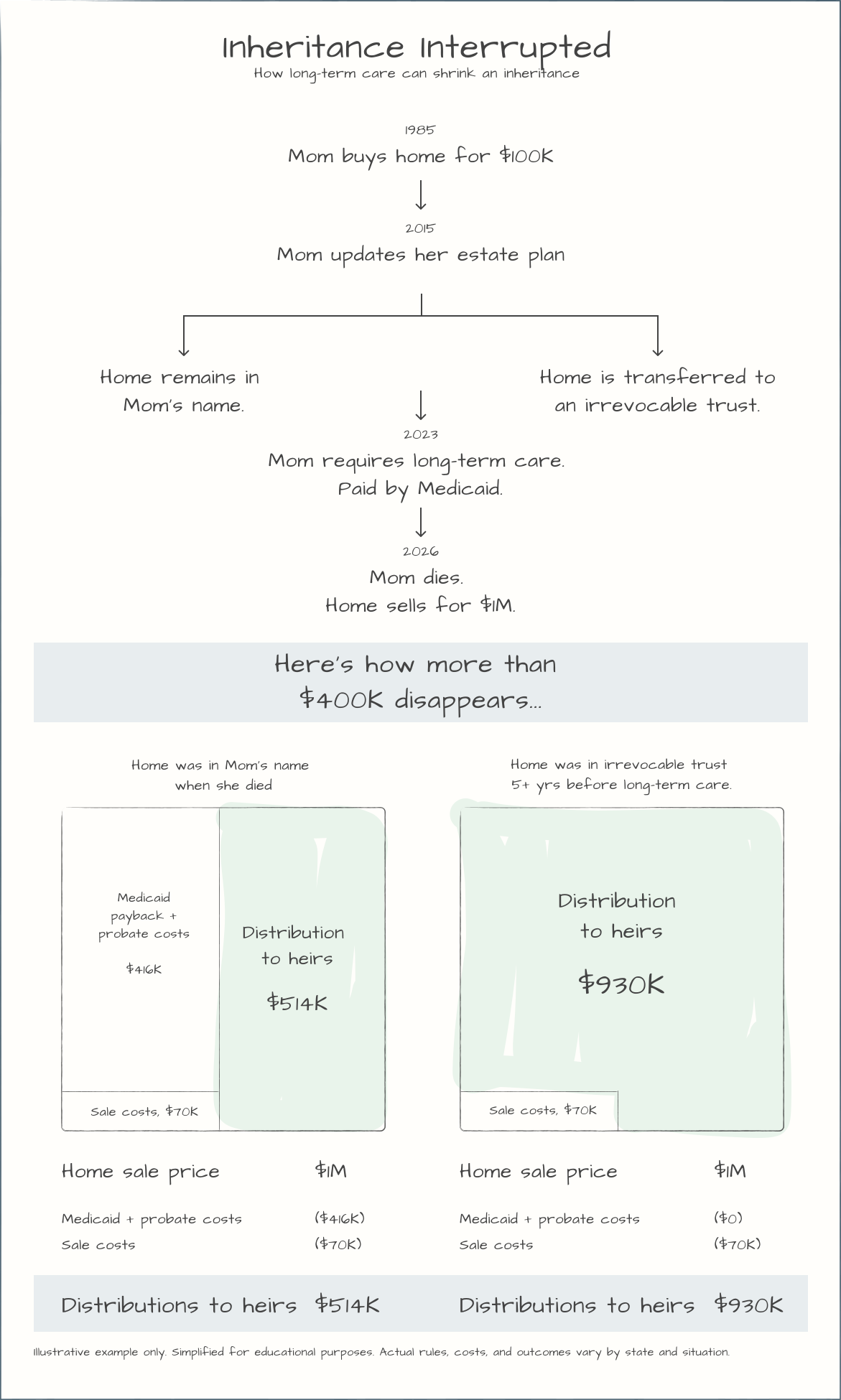
If one or both of your parents end up needing long-term care as seniors, they may want to apply for Medicaid to cover the (astronomical) expense. If the house is still in their name at that point, they may qualify for Medicaid coverage. But if Medicaid pays for certain long-term-care services, the state is generally required to seek repayment from the estate after they are gone. The value of the inheritance could be reduced dramatically. In some cases there may be little left for heirs.
If you’re thinking the solution might be to transfer the home to the children now, that could cause Medicaid eligibility problems and may also lead to a major capital-gains tax bill later if you sell (more about this in another post).
One planning tool some families use to protect the home is an irrevocable trust. That may help protect the home… but only if it’s set up properly and done early enough. If the transfer to the trust happens within 5 years of applying for Medicaid, it can cause problems instead of solving them. It doesn’t work as a Hail Mary. It has to be planned years in advance.
So if your parents are in their 60s or older, and the plan is for you and your sibs to inherit a high-value home, it may be a good idea to check with them on how the home is owned and whether they’ve done planning for long-term care. If the house is in their names, a call to an elder-law or estate-planning attorney may be in order.
Here’s how long-term care can shrink real estate inheritance:
If you’d like to receive updates on navigating grief, estate planning, and estate administration in your inbox, you can sign up for the Undermountain Partners newsletter here: https://undermountainpartners.com/newsletter
For informational purposes only; not legal or financial advice.